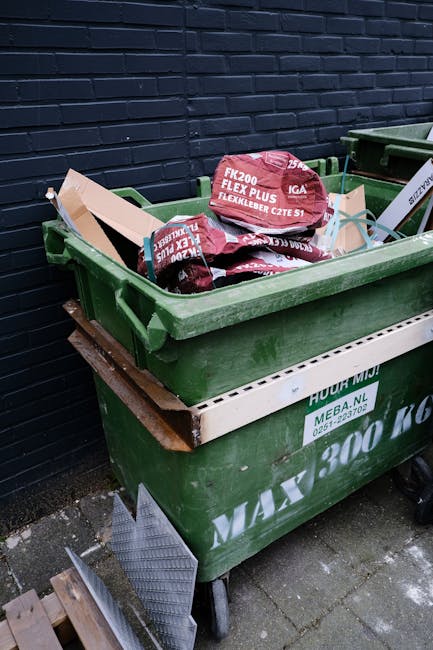
South Acton estate rubbish collection tips for landlords
If you rent property in South Acton, rubbish management can become one of those quiet problems that suddenly gets loud. A tenant moves out. A hallway starts filling with unwanted furniture. A bin store overflows on a Monday morning. And before you know it, what looked like a small tidy-up is now affecting rentability, neighbour relations, and the way your building feels to live in.
This guide brings together practical South Acton estate rubbish collection tips for landlords, with a focus on keeping communal areas usable, reducing fly-tipping risk, and handling clearance work without creating more hassle than it solves. It is written for landlords, agents, and anyone responsible for flats, HMOs, or estate blocks where waste builds up faster than anyone would like. To be fair, that is most blocks at least once in a while.
You will find step-by-step guidance, common mistakes, compliance pointers, and a realistic view of when a simple collection is enough and when a larger clearance becomes the smarter option. If you want a broader overview of professional removal options, you may also find the main waste removal service and the dedicated flat clearance support useful alongside this article.
Table of Contents
- Why South Acton estate rubbish collection tips for landlords Matters
- How South Acton estate rubbish collection tips for landlords Works
- Key Benefits and Practical Advantages
- Who This Is For and When It Makes Sense
- Step-by-Step Guidance
- Expert Tips for Better Results
- Common Mistakes to Avoid
- Tools, Resources and Recommendations
- Law, Compliance, Standards, or Best Practice
- Options, Methods, or Comparison Table
- Case Study or Real-World Example
- Practical Checklist
- Conclusion
- Frequently Asked Questions
Why South Acton estate rubbish collection tips for landlords Matters
On an estate, rubbish is never just rubbish. It is a visual signal. A tidy bin area suggests order, care, and good management. A messy one suggests the opposite, even if the issue is really just poor timing or one problem tenant. That first impression matters for viewings, renewals, complaints, and the general mood of the building.
Landlords in South Acton often deal with a mix of private flats, shared entrances, stairwells, recycling points, and sometimes awkward access routes. Waste can pile up in these spaces quickly. A broken wardrobe left by a departing tenant is annoying enough on its own. Put it beside food waste bags, a couple of old mattresses, and a rainy bin day, and you have a situation that can attract pests, generate odours, and test everyone's patience.
There is also a financial side. Delayed clearance can mean more management time, more complaints, and in some cases extra costs if waste blocks access or needs urgent removal. Even one missed collection cycle can set off a chain of small problems. And once the building starts to look neglected, it is harder to reverse the impression than people expect.
Expert summary: For landlords, rubbish collection is not a back-office chore. It is part of property presentation, tenant experience, and risk control. The best systems are simple, repeatable, and easy for residents to follow.
How South Acton estate rubbish collection tips for landlords Works
In practical terms, estate rubbish collection works best when the landlord or managing agent has a clear process for three different waste streams: routine household waste, bulky items, and problem waste left after move-outs or inspections. Mixing those jobs together is where things usually get messy.
Routine waste is the easy part. This is the day-to-day refuse that should go into the correct bins or collections. Bulky waste is different. Think beds, sofas, wardrobes, broken drawers, or the remnants of a DIY job that never quite got finished. Problem waste is the awkward category: items left in common parts, rubbish dumped beside bins, or clearance needed after a tenancy ends in a hurry.
For landlords, the most effective approach is usually to separate the operational task from the ad hoc emergency. A planned collection for a block or multiple units is far less stressful than five separate requests, each with its own key handover, access issue, and complaint. In a busy estate, that structure matters more than people realise.
Where a property has larger amounts of accumulated waste, you may need more than a standard bin collection. That is often where services such as house clearance, home clearance, or even furniture disposal become relevant, especially after tenant move-outs or refurbishment work. The exact choice depends on what has been left behind and how quickly access can be arranged.
Key Benefits and Practical Advantages
Good rubbish collection habits do more than keep things tidy. They improve the whole running of the property. That sounds obvious, but in day-to-day management it is easy to underestimate how much smoother things go when waste is handled properly.
- Better tenant satisfaction: Residents are less likely to complain about smells, pests, or eyesores in shared areas.
- Reduced fly-tipping risk: Clear bin systems and prompt clearance make it less tempting for people to dump items beside communal points.
- Improved property presentation: Clean external areas help viewings, renewals, and general reputation.
- Lower management stress: A repeatable process saves time when a unit turns over or a resident leaves bulky waste behind.
- Fewer emergency call-outs: Planned collections are usually easier to coordinate than last-minute panic.
- Better space use: Bin stores, corridors, and shared yards stay accessible and usable.
There is another practical gain that people sometimes miss: better communication. When tenants know exactly what happens to waste, where bulky items go, and who to contact, they are more likely to do the right thing. Simple systems reduce misunderstandings. And fewer misunderstandings mean fewer awkward emails, which is always welcome.
Who This Is For and When It Makes Sense
This advice is most useful if you manage one of the following:
- an estate block with communal bin storage
- a converted house with multiple tenants
- a flat above ground-floor commercial space
- an HMO with shared kitchens and frequent turnover
- a small portfolio where you need a reliable waste routine
- a property with regular refurbishment, furnishing changes, or tenant clear-outs
It also makes sense if you are dealing with one-off situations that need a calm, organised response. For example, a tenant leaves behind a sofa and several bags of mixed rubbish. Or a builder finishes a small job and the leftover packaging is sitting in the lobby because nobody arranged disposal in advance. Small stuff, really, but it can snowball.
If the issue involves heavier items, larger volume, or access through stairs and narrow communal entrances, specialist support becomes more useful. In those cases, you may want to consider furniture clearance or loft clearance if the waste has built up in storage spaces or upper floors. For work tied to renovation or maintenance, builders waste clearance can be the better fit.
Step-by-Step Guidance
Here is a straightforward process that works well in real-world landlord management. Not glamorous, but effective.
- Assess the waste type and volume. Start by separating normal bin waste from bulky items, hazardous materials, and renovation debris. A quick walk-through is usually enough to see what you are dealing with.
- Check access and storage points. Note stair access, lift availability, parking restrictions, locked gates, and where items can be collected from. A five-minute check can save an hour of confusion later.
- Identify who is responsible. Is it tenant waste, end-of-tenancy clearance, contractor waste, or communal overflow? Responsibility affects timing, cost, and what needs documenting.
- Photograph the situation. This is useful for records, disputes, and before-and-after comparisons. It does not need to be a production. Just clear, practical pictures.
- Choose the right clearance route. Routine waste, bulky waste, and mixed estate rubbish may need different handling. Sometimes a planned service is enough; sometimes you need a broader collection visit.
- Notify residents if shared spaces are affected. A short notice can reduce obstruction and encourage cooperation. Keep it plain and specific.
- Schedule the collection at a sensible time. Think about foot traffic, lift use, and neighbour impact. Mid-morning on a weekday is often easier than early evening, though local conditions vary.
- Confirm what will and won't be taken. This avoids surprises on the day. If there are items that need special handling, separate them in advance.
- After collection, inspect the area. Check for stray waste, spills, or damaged surfaces. It is a small step, but it keeps standards high.
- Update your records. Keep a note of the date, type of waste, and any recurring problems. Over time, patterns appear. And patterns are useful.
A neat trick: if waste issues repeat in the same block, treat it as a systems problem, not just a one-off mess. That mindset shift helps. You start fixing the root cause rather than just clearing symptoms every few weeks.
Expert Tips for Better Results
These are the small, practical habits that tend to make a noticeable difference.
- Use one clear set of instructions for tenants. Keep them short. Where to put bins, what happens to bulky items, and who to tell if something is left behind.
- Label bin areas clearly. Simple signage can reduce contamination and stop random dumping beside the bins.
- Set a move-out inspection routine. Walk each unit and the surrounding common areas before final handover.
- Plan for bulky waste before tenancy ends. If you know a sofa, mattress, or shelving unit is not staying, arrange removal early rather than late.
- Keep a trusted clearance option ready. The real value is speed and predictability when the pressure is on.
- Watch for hidden waste zones. Lofts, garages, locked stores, and under-stair cupboards often become unofficial dumping grounds.
- Ask for a clear disposal and recycling approach. Sustainability matters to many tenants, and it also helps with landlord reputation.
If you need a property-level reset rather than a quick pick-up, the broader recycling and sustainability approach can help frame your decisions about what should be reused, separated, or cleared in one go. It is not about perfection. It is about being sensible and consistent.
One more thing: keep keys, access codes, and contact numbers ready before collection day. Sounds basic, I know. Yet it is usually the tiny forgotten detail that causes the delay.
Common Mistakes to Avoid
Most rubbish problems in estates are not caused by one giant mistake. They come from small repeated oversights. The good news? Those are fixable.
- Leaving bulky items until the last minute. End-of-tenancy timing gets tight fast, and suddenly there is nowhere for a mattress to go.
- Assuming tenants know what to do. People often do not read long instructions. Use simple, visible guidance instead.
- Mixing every waste type together. Food waste, general rubbish, and clearance items all need different handling.
- Ignoring communal pressure points. Bin stores, alleyways, and entrance halls can become hotspots if not checked regularly.
- Failing to document repeat issues. Without notes or photos, it is harder to spot trends or resolve disputes.
- Using the wrong service for the job. A small standard collection may not be enough for furniture, renovation debris, or deep-clear jobs.
Let's face it, nobody wants to become the landlord who is remembered for the smell near the bins. That is not the legacy. Keep on top of it early and life gets easier.
Tools, Resources and Recommendations
You do not need fancy equipment for better estate waste management. A few practical tools go a long way.
- A simple inspection checklist for monthly or turnover visits
- Phone photos for record-keeping before and after clearance
- Basic signage for bin rooms and communal waste points
- A shared contact list for tenants, contractors, and managing agents
- A planned collection calendar for move-outs, refurbishments, and seasonal clear-ups
- A reliable quote process so you can compare options quickly
When you are comparing clearance support, it can help to understand how the provider handles access, sorting, and expected timelines. The pricing and quotes page is a sensible place to understand how a request might be assessed, while the business waste removal option is useful if your estate management needs sit closer to ongoing operational waste rather than one-off domestic clear-outs.
It is also worth reviewing practical policies such as health and safety policy and insurance and safety when you are letting third parties access shared property areas. That way, you are not guessing your way through an awkward situation.
Law, Compliance, Standards, or Best Practice
Waste handling in rented property is not something to treat casually. Landlords and managing agents should work within the usual UK expectations around safe disposal, responsible handover, and proper use of licensed carriers where relevant. You do not need to overcomplicate it, but you do need to be sensible.
Good practice usually means making sure waste is placed in the correct containers, avoiding blocked access routes, and ensuring that clearance from shared areas does not create a hazard. If contractors or cleaners are involved, they should know where waste can be staged, what cannot be touched, and how to protect residents while work is carried out. Common-sense stuff, really, but important.
Where waste is left behind by tenants, landlords should keep clear records of the condition of the property, the date items were found, and any communication with the tenant or agent. That is especially useful if a dispute arises later about abandonment, cleaning obligations, or deposit deductions. The details matter more than people think.
If you are handling a mixed-use building or a block with repeated problems, it is wise to use a consistent internal process. That process should cover inspection, reporting, booking, access, and post-collection review. Consistency reduces mistakes. It also makes your management approach look calmer and more professional, which tenants tend to notice.
Options, Methods, or Comparison Table
Different waste situations call for different methods. Here is a simple comparison that may help when deciding what to do next.
| Method | Best for | Pros | Limitations |
|---|---|---|---|
| Routine bin collection support | Regular household waste in clean communal systems | Simple, familiar, low effort | Not suitable for bulky or abandoned items |
| Bulky item clearance | Sofas, mattresses, wardrobes, mixed furniture | Good for move-outs and turnovers | Needs access planning and item coordination |
| Whole-property clearance | Heavier post-tenancy mess or accumulated clutter | Covers more in one visit, very efficient | More involved, needs clear scope |
| Targeted estate waste removal | Communal overflow, dumped bags, shared-area issues | Useful for block management and recurring problems | May need repeat scheduling if the root cause is not addressed |
For smaller flat-based properties, a focused approach through flat clearance is often enough. For larger or fuller properties, home clearance can be the more practical route. The best option is the one that fits the waste type, not the one that sounds easiest in the moment.
Case Study or Real-World Example
Imagine a South Acton estate with six flats sharing one bin area. A tenant moves out on Friday. By Saturday morning, there is a broken chest of drawers in the entrance lobby, two tied bags left near the recycling bins, and a mattress leaning against the wall because it would not fit in the lift. Nothing dramatic, but enough to irritate everyone by lunchtime.
A landlord who acts early would usually do the following: document the condition, separate the items by type, check access, notify residents if the communal space is briefly affected, and arrange a clearance visit before the next working week. The key point is not speed for its own sake. It is order.
In a similar situation, a landlord might also discover a locked loft space with old boxes, damaged furniture, and leftover packaging from an earlier improvement job. That is when a broader visit becomes sensible, because the visible issue is only part of the waste picture. A one-off tidy-up may clear the hallway, but not the root cause. The hidden clutter will wait for you. It always does.
The best outcome is usually boring in the nicest possible way: bin store cleared, shared areas restored, residents happier, and no further drama. Honestly, boring is underrated in property management.
Practical Checklist
Use this as a quick pre-collection or post-tenant-turnover check.
- Identify all waste types on site
- Separate general waste from bulky items
- Check whether any items need special handling
- Photograph the waste before collection
- Confirm access, parking, and keys
- Notify residents if communal areas will be affected
- Book the right type of clearance for the volume
- Keep a record of the collection date and scope
- Inspect the area afterwards for leftover debris
- Review whether the same issue is likely to happen again
If your property has storage spaces that attract leftover items, it can also help to review garage clearance or loft clearance support for those less visible spaces. Hidden clutter is often the thing that creates the next problem, not the current one.
Get a free quote today and see how much you can save.
Conclusion
South Acton estate rubbish collection tips for landlords are really about building a calm, repeatable system. Keep waste streams separated, plan for tenant turnover, document problems early, and match the clearance method to the actual job. That way, you are not constantly reacting to the same issue in slightly different form.
Most estate rubbish headaches start small. A bag left out. A wardrobe forgotten. A bin store that is just a bit too full. But with the right process, those small things stay small. And that is the whole point, isn't it?
When you keep the shared areas tidy and the clearance plan clear, the property feels cared for. Tenants notice. Neighbours notice. And your job gets easier, which is no bad thing.
Frequently Asked Questions
What is the best way for landlords to manage rubbish on a South Acton estate?
The best way is to use a simple routine: separate regular waste from bulky items, check communal areas often, and arrange clearance promptly when a tenant moves out or leaves items behind. A consistent process works better than dealing with each incident as a one-off.
How often should communal bin areas be checked?
That depends on the size of the block and the turnover of tenants, but many landlords or managing agents find weekly checks helpful, with extra inspections during move-outs or after bank holidays. The point is to catch problems before they spread.
What should I do if a tenant leaves furniture behind?
Document it first with photos, confirm access, and arrange the right clearance method. If the items are substantial, a dedicated furniture collection is usually more practical than trying to handle it through normal bins.
Can I leave waste in a communal hallway until collection day?
Generally, you should avoid leaving waste in shared hallways or entrances because it can block access and create a hazard. If temporary staging is unavoidable, keep it brief and make sure residents can still pass safely.
Is bulky waste different from normal rubbish?
Yes. Bulky waste usually includes large items such as sofas, mattresses, wardrobes, and similar objects that do not fit into standard bins. These often need separate planning and handling.
How do I reduce fly-tipping near my estate bins?
Keep the bin area tidy, remove overflow quickly, use clear signage, and make it obvious that the area is monitored and well managed. Fly-tipping often thrives where there is confusion or neglect.
What records should landlords keep for rubbish clearance?
Keep basic records such as the date, the type of waste, photos, access notes, and any relevant communication. This can help with tenant disputes, end-of-tenancy reviews, and general property management.
When is a full property clearance better than a small collection?
A full clearance makes sense when there is accumulated clutter across several rooms or storage spaces, or when the waste includes a mix of furniture, bags, and leftover items from a move-out or renovation. If the job has grown arms and legs, a broader clearance is often the cleaner solution.
Do landlords need a different approach for HMOs?
Usually, yes. HMOs tend to have more shared waste, faster turnover, and more pressure on communal areas. That means clearer instructions, more regular checks, and faster response times are often needed.
How can I make rubbish collection easier for tenants?
Keep instructions short and visible, label bins clearly, tell tenants what happens during move-out, and make it easy to report bulky items. People are more likely to cooperate when the system is obvious and simple.
What if I am not sure which clearance service I need?
If the waste is mainly bags and general rubbish, a standard waste removal approach may be enough. If it includes furniture, loft clutter, garage items, or move-out leftovers, a more specific clearance type is usually better. If in doubt, start by describing the waste clearly and asking for guidance.
How do I keep estate rubbish collection costs under control?
Plan ahead, avoid emergency call-outs where possible, combine related jobs into one visit, and address repeat causes such as poor tenant instructions or weak storage arrangements. Preventing the same issue from returning is usually the cheapest option in the long run.