Creative Ways to Dispose and Recycle Old Pots and Pans in Your Home
Creative Ways to Dispose and Recycle Old Pots and Pans in Your Home
Got a cupboard crammed with battered frying pans, dented saucepans, and lids that lost their partners somewhere between Christmas and last spring? You're not alone. When we clear a kitchen, cookware is the awkward pile we avoid until the very end. Yet those old pots and pans are full of value -- whether you recycle cookware, upcycle metal pans into planters, or responsibly dispose of non-stick pans that have seen one too many Sunday roasts. In this guide, we'll unpack creative ways to dispose and recycle old pots and pans in your home that are practical, safe, and genuinely cost-saving.
Imagine Saturday morning: kettle on, rain carving lines down the window, you pull out a heavy cast-iron skillet that's older than your first flat. It's rusty, sure, but solid. Another pan has a wobbly handle, another is scratched to silver. What next? Truth be told, most households underestimate how much of this can be reused, repaired, or recycled in the UK. We'll show you exactly how -- with steps, checklists, expert tricks, and a few stories from real, slightly messy kitchens. To be fair, we've all been there.

Table of Contents
- Why This Topic Matters
- Key Benefits
- Step-by-Step Guidance
- Expert Tips
- Common Mistakes to Avoid
- Case Study or Real-World Example
- Tools, Resources & Recommendations
- Law, Compliance or Industry Standards (UK-focused)
- Checklist
- Conclusion with CTA
- FAQ
Why This Topic Matters
Cookware looks simple. It isn't. Different metals, multi-layer bases, non-stick coatings, wooden or plastic handles -- each one needs its own end-of-life plan. In the UK, metal recycling is a powerhouse: aluminium recycling saves around 95% of the energy required to produce it from raw materials, and steel is one of the world's most recycled materials. Disposing and recycling old pots and pans properly means less waste, lower carbon, and safer homes.
Plus, there's the creative side. A scratched non-stick frying pan might be no good for omelettes, but it can become a quirky herb planter. A copper pot with a ding? Stunning as a flower centerpiece. You can breathe new life into old objects with a touch of paint, a drill, and an afternoon playlist. Ever tried clearing a kitchen and found yourself keeping everything "just in case"? This time, you'll have smart reasons to keep the pieces worth keeping -- and great options for responsibly letting go of the rest.
Small moment: I once watched a neighbour on a grey Tuesday fit a trailing ivy into her grandma's enamel pot. The pot had chips like dimples. Looked beautiful on the sill, honestly. A little story, a little hope.
Key Benefits
- Environmental wins: Recycling metal from pots and pans reduces energy use and carbon emissions. Aluminium and steel are high-value recyclables.
- Safety and space: Removing damaged or flaking non-stick pans protects your food safety, and decluttering frees your cupboards.
- Money back: Scrap yards pay for metal by weight. It won't fund a holiday, but it can cover a nice coffee or two.
- Creative upcycling: Turn cookware into planters, bird feeders, lamp shades, wall art, or storage bowls. Practical and charming.
- Community impact: Donate usable pans to local shelters, community kitchens, or reuse projects. Someone else gets a warm meal out of it.
- Legal peace of mind: Following local recycling rules avoids fines and keeps you aligned with the UK's waste hierarchy.
Let's face it, a tidy kitchen is a calmer kitchen. Clean, clear, calm. That's the goal.
Step-by-Step Guidance
Here's a practical, no-faff way to manage old cookware. This is the heart of our guide to creative ways to dispose and recycle old pots and pans in your home -- from quick wins to savvy moves.
1) Audit your collection
- Lay everything out on a table. Lids, pans, trays, odd handles. You could almost smell the cardboard dust from that old box at the back, right?
- Sort into: Keep, Repair, Donate/Sell, Recycle/Dispose.
- Note issues: flaking non-stick, loose handles, warped bases, rust, dents, or deep scratches.
Quick human moment: I once found three identical saucepans, same size. Two gifts, one bought. Classic.
2) Identify the material
- Aluminium: Lightweight, often silver-grey; sometimes anodised darker. Non-stick coatings common.
- Stainless steel: Heavier, bright finish, often magnetic bases (due to added ferrous plate).
- Cast iron: Very heavy, dark, may be enameled; prone to rust if unseasoned.
- Copper: Reddish metal, often with tin or stainless lining.
- Mixed materials: Metal body with plastic/wood handles, glass lids with metal rims.
Knowing the metal type helps you pick the right disposal route or upcycling idea.
3) Decide: repair, reuse, or release
- Repair: Tighten or replace handles, re-season cast iron, polish stainless. It's surprisingly easy and satisfying.
- Reuse (kitchen): Keep the best pan in each size. Reduce duplicates. Upgrade your everyday setup.
- Reuse (creative): Keep 1-2 pieces for projects: a pan as a planter, a lid as a clock face, a colander as a lamp shade.
- Release: Donate, sell, or recycle the rest.
4) Prepare items for donation
- Ensure pans are clean and safe (no flaking non-stick, no sharp edges).
- Reattach any loose knobs or handles.
- Bundle sets if possible (pan + lid).
- Contact the charity or community kitchen first to confirm they accept cookware and any hygiene rules.
Charities appreciate items that feel "ready to use". Imagine receiving a pan that still smells faintly of last night's curry. Not ideal.
5) Prep for resale or gifting
- Photograph in natural light. Highlight brand stamps and size.
- Describe honestly: "Light scratches", "Handle replaced", "Non-stick shows wear".
- Bundle sets to move items quicker.
6) Recycle metal the smart way
- Remove non-metal parts where practical: plastic handles, silicone grips, wood. Use a screwdriver to reduce contamination.
- Check your council's guidance: Many UK Household Waste Recycling Centres (HWRCs) accept metal cookware in mixed metal skips.
- Scrap yard option: For a larger batch, take it to a licensed metal recycler; keep it dry to reduce weight loss from rust.
- Separate precious pieces: Copper and pure aluminium can fetch better prices than mixed or stainless items.
Tip: A magnet helps separate ferrous (magnetic) from non-ferrous metals. Scrap yards often pay more for non-ferrous like copper and aluminium.
7) Handle non-stick and coated pans safely
- If the non-stick is flaking, stop cooking with it. Safety first.
- Many metal recyclers still accept non-stick pans because the metal body is recyclable; confirm locally. Remove plastic parts.
- Do not sand or burn non-stick coatings off at home; fumes can be hazardous. Avoid DIY stripping unless you have professional equipment and ventilation.
One chilly evening, a friend tried to "reset" a pan with a blowtorch. Don't. Just don't.
8) Upcycle: creative projects worth your Saturday
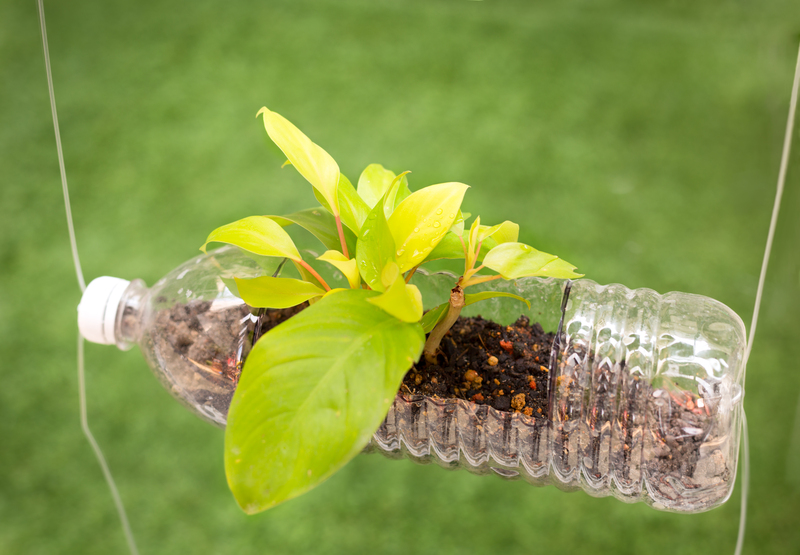
- Herb planters: Drill 3-5 drainage holes, add pebbles, soil, and herbs. A row of small frying pans on a balcony looks surprisingly chic.
- Colander lamp: Spray-paint matte black or copper, wire a bulb kit through the handle hole. Industrial-cosy vibes.
- Lid wall art: Polish and arrange lids as a reflective mosaic. Kitchens love a bit of sparkle.
- Bird feeder: Suspend a saucepan horizontally with cord through handle holes. Add seed; enjoy the morning chatter.
- Desk tidy or fruit bowl: Big saucepan = tidy haven for post and keys. Chaos, calmed.
- Garden bell: An old steel pot, a length of rope, and a pebble as a clapper. Sounds lovely on a breezy afternoon.
Ever noticed how a scuffed pan suddenly looks 'designed' once you add a trailing plant? It's kinda wild. You'll see why.
9) Special care for cast iron
- Scrub rust with steel wool and warm water; dry thoroughly.
- Coat with thin vegetable oil; bake upside down at ~180?C for 1 hour to re-season (protect the oven with foil).
- Too far gone? Cast iron is recyclable as scrap metal. It's heavy, so mind your back.
A well-saved cast iron skillet sings when it hits heat. That first sizzle -- music.
10) If in doubt, ask locally
UK councils vary. Use council recycling guidance or national directories to confirm if cookware goes in kerbside, at HWRC, or via special collection. Don't guess; one quick search prevents a wasted trip. And to be fair, none of us enjoy arriving at the tip and being waved to a different bay.
Expert Tips
- Test for stainless vs. aluminium: A magnet will stick to many stainless bases (if they're ferritic) but not to aluminium.
- Batch your scrap: Save up a box of metal odds (old cutlery, broken baking trays, pans) for one recycling run. Efficient.
- Use food-safe thinking: If you're gifting or donating, avoid pans with deep scratches on non-stick or peeling enamel. Better to recycle.
- Upcycle safely: Drill outside or in a well-ventilated space, clamp the pan, wear eye protection, and go slow with metal bits.
- Paint choices: For decorative pieces, use metal primer + water-based acrylic or spray designed for metal. If using as planters, ensure coatings are plant-safe once cured.
- Cast iron rescue: A vinegar soak (1:1 with water) for 30 minutes helps lift rust; rinse, dry, and season immediately.
- Don't overthink patina: For upcycling, a little scratch and scuff adds charm. Perfection is overrated.
Short story: I've seen a pair of mismatched lids turned into a kids' percussion set. Loud? Yes. Brilliant? Also yes.
Common Mistakes to Avoid
- Putting pans in standard kerbside bins when your council doesn't accept them. Result: rejected loads or contamination.
- Burning off non-stick coatings at home. Risky fumes. Please don't.
- Donating unsafe items: Charities can't use pans with flaking coatings or sharp edges.
- Skipping the handle removal: Plastic and wood reduce scrap value and may be refused in metal-only skips.
- Using the wrong drill bit: For upcycling, use HSS or cobalt bits for metal; start with a pilot hole.
- Painting cooking surfaces: Don't. Painted interiors are for decor-only planters or storage, not for food.
If you've already made one of these mistakes -- it's okay. Reset and carry on.
Case Study or Real-World Example
Case: The Patel family in South London
It was raining hard outside that day when the Patels finally tackled their kitchen clear-out. They pulled out 14 pans and 9 lids (only 4 matches, naturally). Here's what they did over a weekend:
- Kept: 1 large stainless stockpot, 2 mid-size saucepans with good lids, a beloved cast-iron skillet after a quick re-season.
- Donated: 3 stainless pans in good nick to a local community cooking class; they checked the hygiene checklist first.
- Sold: A copper pan set with gentle wear via a local marketplace for ?35.
- Recycled: 4 aluminium pans and a stack of baking trays at the HWRC metal bay; removed plastic handles.
- Upcycled: Two small frying pans with drilled drainage now hang on their balcony with thyme and strawberries. Lovely in summer.
They freed a whole cupboard, avoided landfill, and got a little cash back. Plus, they now smile whenever they water the strawberries. Small wins stack up.
Tools, Resources & Recommendations
Tools for recycling prep and upcycling
- Screwdrivers: Phillips and flathead for handle removal.
- Adjustable spanner: Helpful for stubborn bolts on older pans.
- Drill + HSS bits: 3mm pilot, then 6-8mm for drainage holes.
- Metal file: Deburr sharp edges after drilling.
- Safety gear: Gloves, eye protection, dust mask (when sanding).
- Steel wool/scourers: For rust and grime.
- Primer & metal paint: For decorative finishes.
Where to take old pots and pans (UK)
- Local council HWRC: Household Waste Recycling Centres usually have metal bays for mixed metal items like cookware.
- Scrap metal dealers: Licensed yards will accept most metal cookware; separate copper and aluminium if you can.
- Charity shops & reuse projects: Accept clean, safe cookware. Always call ahead.
- Community kitchens or freecycling groups: Great for items still fit for food use.
Reliable information sources
- Recycle Now (UK): Council-by-council guidance on where and how to recycle metal household items.
- WRAP: Data and best practice on UK recycling, including metal recovery benefits.
- Local authority pages: Up-to-date rules for kerbside vs. HWRC acceptance.
- HSE (Health and Safety Executive): Practical guidance on safe DIY work (drilling, dust, PPE).
Note: Details vary between boroughs. London especially has subtle differences from one council to the next. A two-minute check saves a headache.
Law, Compliance or Industry Standards (UK-focused)
Even for something as humble as a saucepan, a few UK rules and principles matter. Here's the quick, trustworthy version, without the legalese headache.
- The Waste Hierarchy (UK policy): Prioritise prevention, reuse, recycling before disposal. In practice: keep good pans, donate usable ones, recycle the rest, and only bin what can't be recovered.
- Environmental Protection Act 1990 - Duty of Care: Householders should use authorised facilities and avoid fly-tipping. If you use a collection service, ensure they're licensed waste carriers.
- Scrap Metal Dealers Act 2013: Selling to a dealer requires ID; cash payments are restricted. Expect electronic or cheque payment.
- Health and Safety (HSE) guidance: When drilling or sanding cookware for upcycling, wear appropriate PPE and work in ventilated areas. Avoid heat-stripping coatings at home.
- Non-stick coatings: Modern coatings vary. If flaking, stop using for food. Follow local guidance for recycling metal bodies and do not incinerate at home.
- Charity donations: Organisations may have hygiene criteria: no chipped enamel that creates sharp edges, no heavily scratched non-stick. Respect their acceptance lists.
Bottom line: keep it simple, keep it safe, keep it legal.
Checklist
Use this quick list to move from clutter to clear in under an afternoon.
- Lay out all pots, pans, lids, trays.
- Sort into Keep / Repair / Donate or Sell / Recycle.
- Remove plastic or wood handles from items bound for metal recycling.
- For non-stick: if flaking, don't cook -- recycle the metal body.
- Confirm your council's rules for cookware at HWRC or kerbside.
- Batch scrap metal for one efficient trip; separate copper/aluminium if possible.
- For upcycling: drill drainage holes, deburr edges, prime and paint if desired.
- For donation: clean thoroughly, match lids, check acceptance policies.
- Take photos and list items with honest descriptions if selling.
- Enjoy your tidy cupboards. Make tea. Breathe.
Conclusion with CTA
When you look at that pile of old cookware now, you don't just see clutter. You see options. Real, practical options that save space, money, and resources. Some pans are worth saving, some worth sharing, and some are simply worth their weight in recyclable metal. That's how we turn a chore into a small environmental win -- and a calmer kitchen.
Whether you choose to donate, sell, upcycle, or recycle, these creative ways to dispose and recycle old pots and pans in your home are designed to be simple, safe, and a bit satisfying. And if you prefer someone else to do the lifting, a licensed collection service can handle it in one go.
Get a free quote today and see how much you can save.
And hey, keep one quirky lid for the wall. A tiny reminder that everyday things can have a second story.
FAQ
Can I put old pots and pans in my household recycling bin?
Usually not. Most UK kerbside schemes don't accept bulky metal cookware in the household recycling bin. Instead, take them to your local Household Waste Recycling Centre (HWRC) metal bay or a licensed scrap metal dealer.
Are flaking non-stick pans dangerous?
If a non-stick coating is visibly flaking or deeply scratched, stop using it for cooking. While small flakes typically pass through the body, the pan is no longer fit for purpose. Recycle the metal body and avoid sanding or burning coatings at home.
How do I recycle cast iron cookware?
Cast iron is fully recyclable as scrap metal. Remove any non-metal parts, and take the pan to an HWRC or scrap yard. If it's only rusty, consider re-seasoning and keeping it; cast iron lasts decades with care.
Can I donate used pots and pans to charity?
Yes, if they're clean and safe. Many charities and reuse organisations accept gently used cookware. Avoid donating items with peeling coatings, sharp edges, or heavy damage. Always phone ahead to confirm acceptance.
What's the best way to upcycle a frying pan into a planter?
Drill a few drainage holes, add pebbles and soil, then plant herbs or trailing flowers. Consider priming and painting the exterior with metal-safe paint for a tidy finish. Deburr holes with a metal file for safety.
Do scrap yards pay for old cookware?
Yes, typically by weight. Non-ferrous metals (aluminium, copper) fetch more than ferrous (steel/iron). Bring ID, as required by the Scrap Metal Dealers Act 2013, and expect electronic payment rather than cash.
Is it safe to remove plastic handles before recycling?
Yes. Use hand tools to unscrew or unbolt handles. Removing non-metal parts improves recycling quality and may increase scrap value. Wear gloves and work carefully to avoid slips.
Can I recycle lids made of glass with metal rims?
Glass lids are usually tempered glass and may not be accepted in standard glass recycling. Separate the metal ring if you can. Check your council's advice; many HWRCs will take the metal part in the metal bay and the glass in a separate stream if allowed.
How do I know if my pan is aluminium or stainless steel?
Use a magnet. If it sticks strongly to the base, it's likely steel or has a ferrous plate. Aluminium won't attract a magnet. Weight and color also help: aluminium is lighter and often matte silver; stainless is heavier with a brighter finish.
Can I paint pots and pans for decorative use?
Yes, for decor or planters. Clean, lightly sand, prime, then apply metal-safe paint. Do not paint cooking surfaces intended for food. If making planters, ensure paints are fully cured and suitable for outdoor use.
What should I do with a copper pan that's worn inside?
If the tin lining is worn through, don't cook with it. Options: have it professionally re-tinned, upcycle it decoratively, sell it as vintage, or recycle as scrap copper (value depends on the amount of pure copper).
Can I put cookware in the dishwasher before donating?
Yes, a thorough clean is appreciated. Also inspect for any damage after washing, especially loose handles or exposed base layers on non-stick pans. Presenting items "ready to use" increases the chance they'll be accepted.
Do UK councils offer collection for metal cookware?
Some offer bulky waste collections (usually paid), but many prefer you bring items to the HWRC. Check your local council's recycling page for specific guidance in your area.
Is burning off non-stick coatings an acceptable DIY method?
No. Heating non-stick coatings to high temperatures can release harmful fumes. Do not attempt to burn or heat-strip coatings at home. Recycle the item via proper channels instead.
What's the greenest option: donate, resell, or recycle?
Follow the waste hierarchy: reuse first (donate or resell) if the item is safe and functional. If not, recycle the metal. Landfill should be the last resort.
Can enamel chips on a pot be repaired?
Small enamel chips can be stabilised with high-heat enamel repair kits for appearance, but for cooking use, assess safety carefully. If the chip creates a sharp edge or exposes material that could rust, consider retiring it from food use and repurposing it decoratively.
How do I make a colander lamp safely?
Clean the colander, prime and paint if desired, then thread a certified lamp kit through an existing hole. Use proper cord grips, follow the kit instructions, and avoid DIY wiring beyond your competence. When unsure, consult a qualified electrician.
Can I compost wooden handles?
If they are untreated natural wood, small pieces may go in home compost, but many handles are varnished or composite. In that case, dispose via residual waste or a wood recycling stream if accepted locally.
What should I do with a warped pan base?
Warped bases heat unevenly and are best retired from cooking. Upcycle it (planter, wall art) or recycle the metal after removing non-metal parts.
Do baking trays and roasting tins follow the same rules?
Yes. Metal trays (aluminium or steel) are excellent candidates for metal recycling if not fit for reuse. Clean them and remove silicone grips first.
If we missed your question, don't worry. Your council's recycling page or a quick call to an HWRC can clear most edge cases. And breathe -- you've got this.